Daily Habits
Building a Daily Vitamin D and Magnesium Stack: Field Observations
Marcus Chen · 14 February 2026 · 9 min read

Among the supplements reviewed most frequently in men's nutritional literature, creatine occupies an unusual position. The volume of published research on the compound is substantially larger than for most other nutritional supplements. This editorial survey does not attempt to summarise all of that research — it attempts to characterise the editorial landscape and identify what active men reading the published literature can reasonably take away from it.
The bulk of published nutritional research on creatine focuses on its relationship to phosphocreatine resynthesis in skeletal muscle during high-intensity, short-duration physical effort. This is not a new finding — the foundational research in this area dates to the early 1990s. What is more recent is the accumulation of longer-term observational and controlled studies that have examined consistency of physical output in men engaged in regular resistance training routines.
The pattern that emerges from reviewing this body of work is that creatine supports physical output over time in resistance training routines when used consistently as part of a daily supplement stack that also includes adequate protein from food and sufficient overall energy intake. The supplement does not function in isolation from the surrounding nutritional context — a point that several published research reviews make explicitly.
Arelon Review's editorial approach to this survey was to read a cross-section of published nutritional research — journal articles, systematic reviews, and meta-analyses — and to characterise the findings without overstating the certainty or understating the variability present in the data. Not all studies in this area reach uniform conclusions. The editorial obligation is to represent that variance accurately.
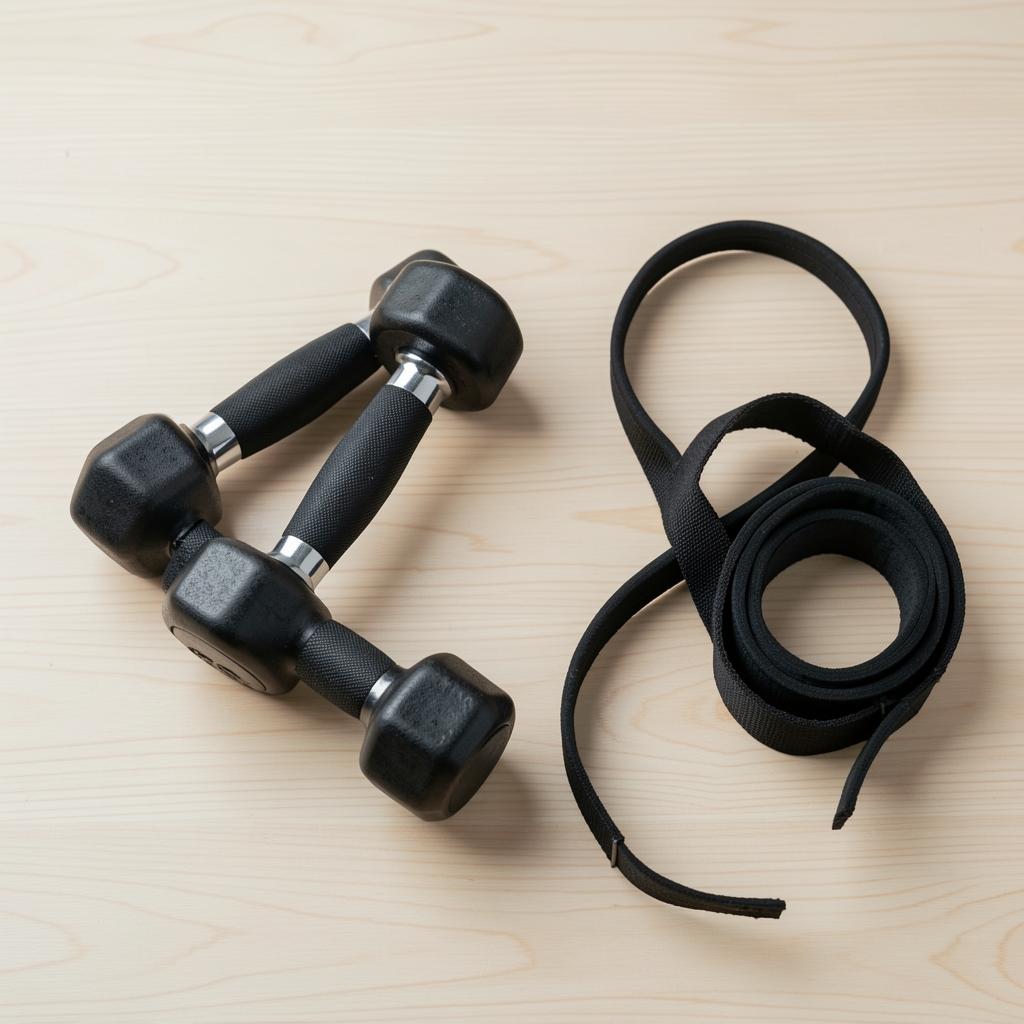
Resistance training context: creatine research is primarily situated within this environment.
Within the gym nutrition literature specifically oriented toward men, creatine monohydrate is frequently listed as one of the more evidence-referenced supplements available. This characterisation is made not by supplement brands — whose marketing claims are outside the scope of editorial review — but by independent nutritional researchers writing in peer-reviewed publications.
The contextual factors that the published literature consistently identifies as relevant: total daily protein intake from whole foods, overall energy balance (the relationship between energy consumed and energy expended), resistance training frequency and intensity, and hydration. Creatine supplementation is observed to function within this broader context, not in place of it.
For active men constructing a daily supplement stack that includes creatine, several published nutritional journals suggest that consistency of daily intake — rather than pre- or post-workout timing specifically — is the primary variable in long-term saturation patterns. This is a nuanced finding that contrasts with some marketing-driven advice encountered in the broader consumer space.
The editorial note here is precise: the published research does not make the same claims that supplement marketing often makes. An active man reading the research rather than the label will encounter a more qualified, contextual, and ultimately more useful account of what the compound contributes to a daily supplement stack.
"The published record on creatine is substantial enough that an active man reading it has access to a genuinely informative evidence base — provided the reading is done critically and the findings are not extracted from context."
The published literature on creatine is largely based on research conducted using creatine monohydrate. Various alternative forms have been developed and marketed in the consumer supplement space, including buffered variants, hydrochloride forms, and ethyl ester. The published research comparing these forms does not consistently demonstrate that alternative forms outperform monohydrate in measures of physical output support. Several independent nutritional researchers have noted this directly.
The editorial observation is this: the marketing value and the research value of alternative creatine forms diverge. Active men reviewing supplement options would be well served by focusing on what the published research specifically examined — which is, in the majority of cases, creatine monohydrate — rather than assuming that novelty indicates improvement.
Quality considerations in supplement selection are addressed more fully in Arelon Review's editorial standards (see Methodology). The general principle applied here: transparency about form, clearly stated elemental or gram content per serving, and the absence of unsubstantiated marketing language on the product label are the primary editorial quality indicators.
Powder form is the most commonly used in published research. Whether powder, capsule, or other format is used by an individual in their daily supplement routine is largely a practical consideration about consistency of use rather than a matter of differential effect — a distinction the published literature supports.
Within the active lifestyle supplement literature, the relationship between adequate daily protein intake and the supportive role of creatine is frequently noted. The published research does not frame these as competing supplements — rather, the nutritional picture that emerges is one in which adequate protein and daily performance supplements like creatine operate in parallel, each addressing a different aspect of the overall nutritional demand of an active man's routine.
Protein, whether from whole food sources or from supplemental forms such as powder, supports daily protein intake targets alongside whole foods. Creatine operates through a distinct mechanism — the phosphocreatine energy system. An active man stacking both is not doubling up on the same function; the functions are complementary in the published nutritional framework.
The editorial note on protein specifically: the published preference in the nutritional literature is for whole food protein sources as the primary means of meeting daily targets. Protein supplementation is positioned in the research as a tool for making up shortfalls — particularly for active men with high training volumes or dietary constraints — not as a replacement for a varied, protein-adequate diet.
For men constructing a daily supplement stack oriented around physical output, Arelon Review's editorial reading of the published literature suggests that the nutritional foundation — overall energy intake, dietary variety, adequate whole-food protein — should be established before the stack is layered on. This is not a novel editorial position; it reflects a consensus that appears across many independent nutritional research publications.

Gym preparation as daily routine. The nutritional context precedes the session.
One function this publication aims to serve is making the published nutritional research more navigable for active men who do not have a background in reading scientific literature. The creatine research base is a useful case study in how to approach this kind of reading, because the volume and quality of the literature is high enough to draw genuine patterns — while also being complex enough to resist oversimplification.
The pattern the editorial team at Arelon Review has found most useful: read the abstract, but also the methods section and the conclusions. The outcomes reported in the abstract are only meaningful in the context of how the study was conducted and who the subjects were. A study conducted in elite athletes does not necessarily translate to an office-based man who trains three times per week.
Meta-analyses and systematic reviews are particularly valuable because they pool findings across many studies and identify patterns that individual studies cannot. For creatine specifically, the meta-analytic literature provides a clearer picture than any single study. Arelon Review references systematic reviews and meta-analyses wherever available when characterising the evidence base for any nutritional supplement.
This editorial survey is not a conclusion but a starting point. The intention is to orient an active reader toward the published evidence in a way that is accurate, appropriately qualified, and free of the commercial framing that often surrounds supplement discussion. Future issues of Arelon Review will continue this approach across other supplements in the active lifestyle context.
Articles published on Arelon Review are editorial in nature and reflect the writers' observations on everyday supplementation habits and nutritional awareness for active men. The content is not intended as professional advice, nor as guidance for the management of any specific condition. Readers with specific concerns about their daily routines are encouraged to speak with a qualified wellness professional.

Marcus Chen is the founding editor of Arelon Review. He writes on men's nutritional habits, supplement stacking practices, and the intersection of active lifestyle and daily wellness routines. Based in Jakarta.
More from this publication →